
Quick Answer (Featured Snippet Optimized)
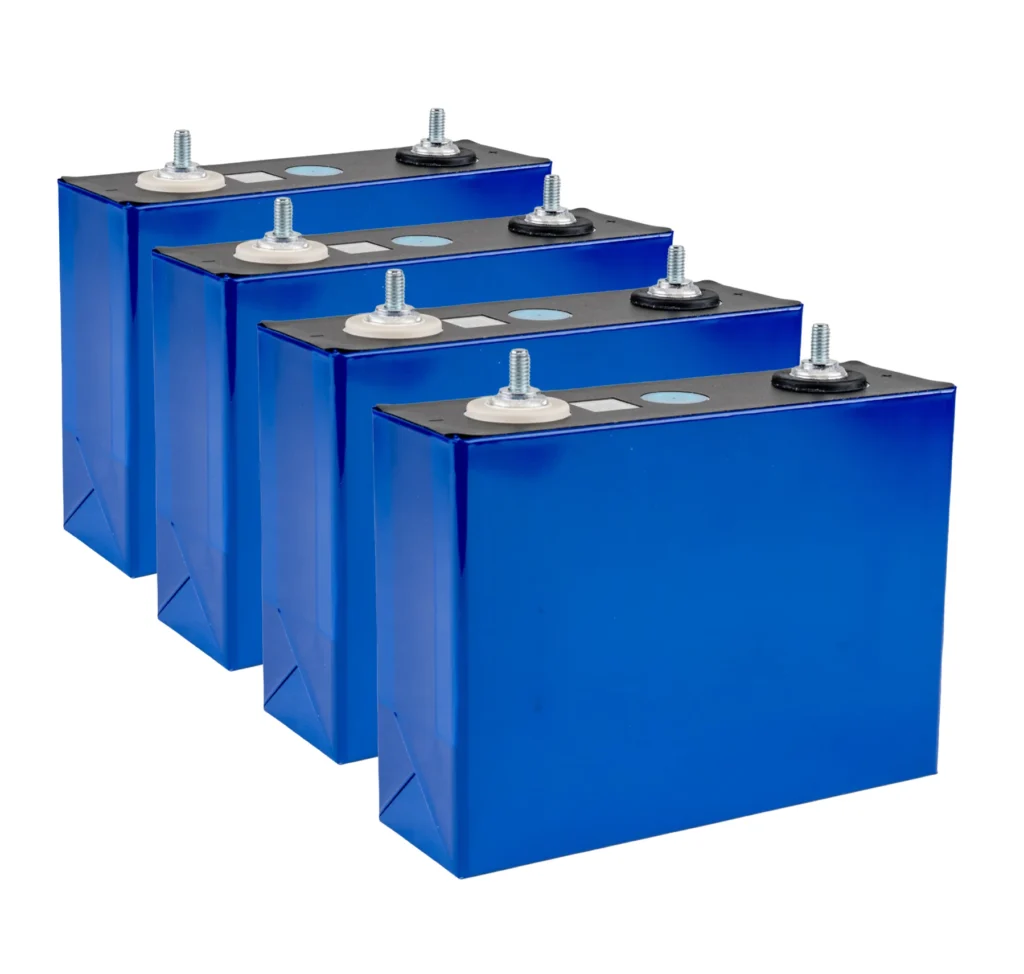
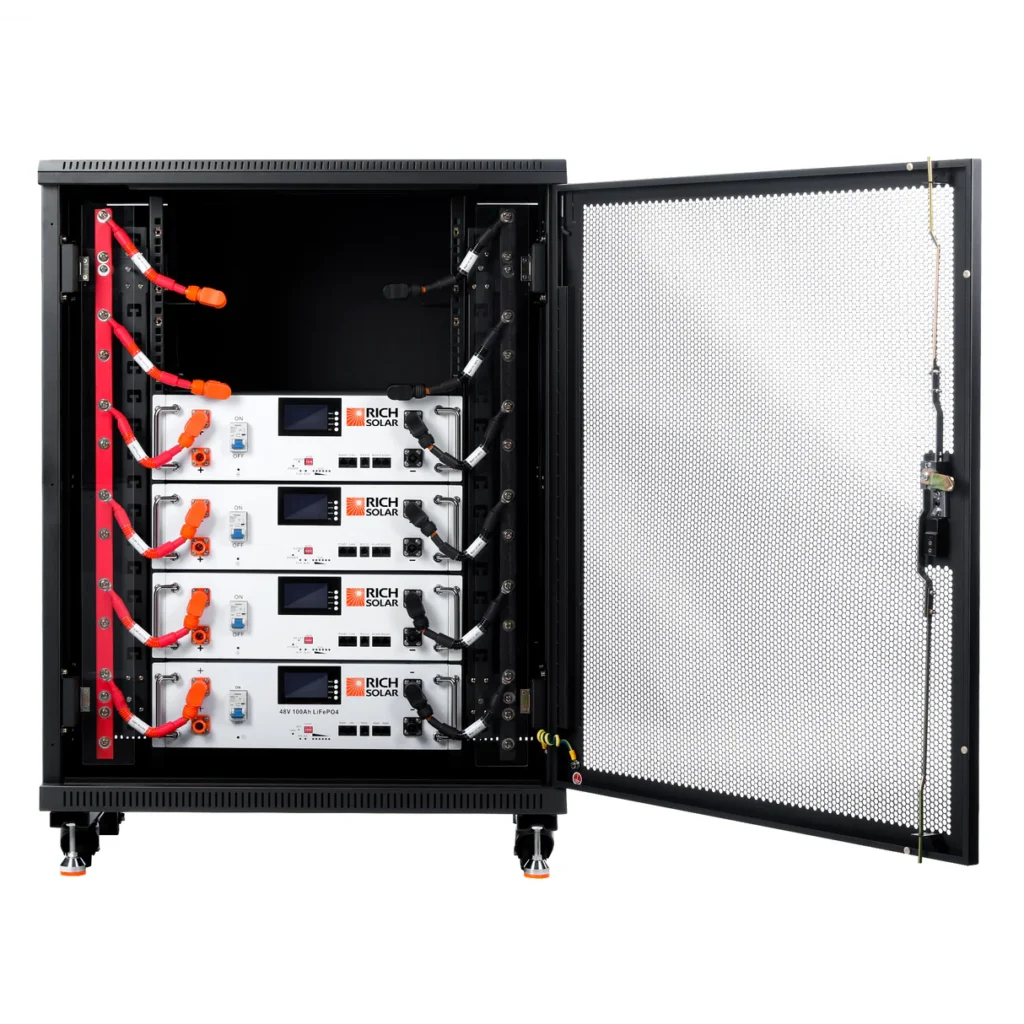
A LiFePO4 battery (Lithium Iron Phosphate battery) is a type of lithium-ion battery known for exceptional safety, long lifespan, and stable performance. It is widely used in solar energy storage systems, electric vehicles, and backup power applications due to its ability to deliver thousands of charge cycles with minimal degradation.
What Does LiFePO4 Mean?
LiFePO4 stands for Lithium Iron Phosphate, referring to the chemical composition of the battery’s cathode material.
Compared with traditional lithium-ion batteries (NMC/NCA), LiFePO4 batteries:
- Do not contain cobalt
- Offer superior thermal stability
- Provide longer cycle life
- Are safer for large-scale installations
Because of these advantages, LiFePO4 has become the dominant technology for stationary energy storage worldwide.
Why LiFePO4 Batteries Are Ideal for Energy Storage Projects
For installers, distributors, and OEM buyers, battery reliability and lifecycle cost are far more important than initial price.
1. Exceptional Safety for Residential and Commercial Use
LiFePO4 chemistry is inherently stable and resistant to thermal runaway.
Key safety benefits:
- Low fire risk
- Stable at high temperatures
- Suitable for indoor installation
- Meets global safety standards
High-quality systems — such as RG Lith’s UL-tested LiFePO4 battery packs — are designed for safe operation in homes, businesses, and microgrid projects.
2. Ultra-Long Cycle Life (Lower Total Cost of Ownership)
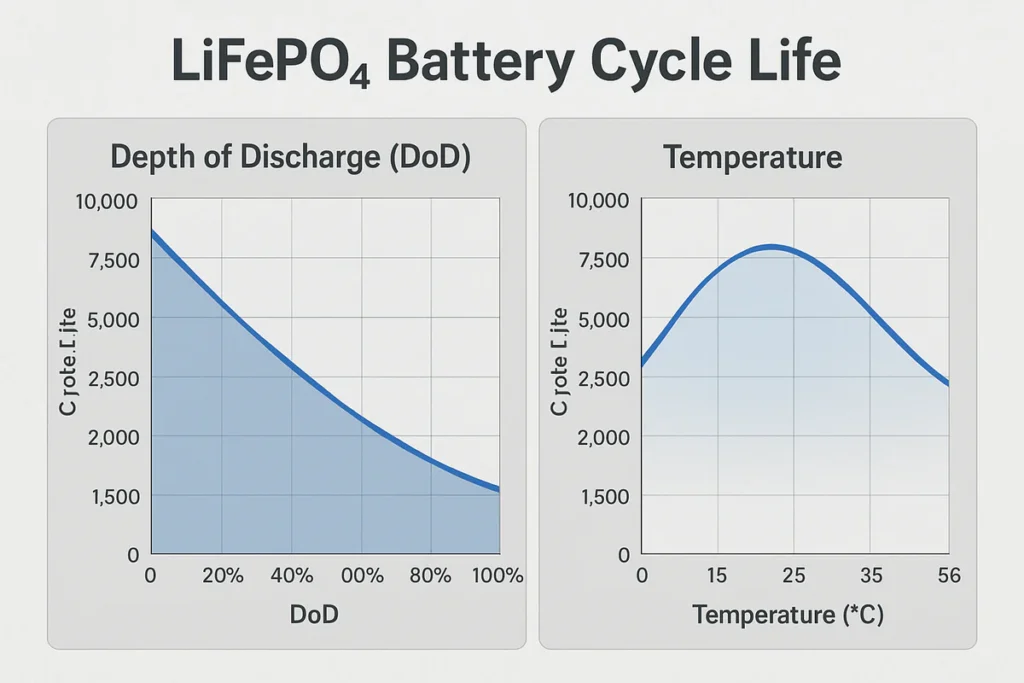
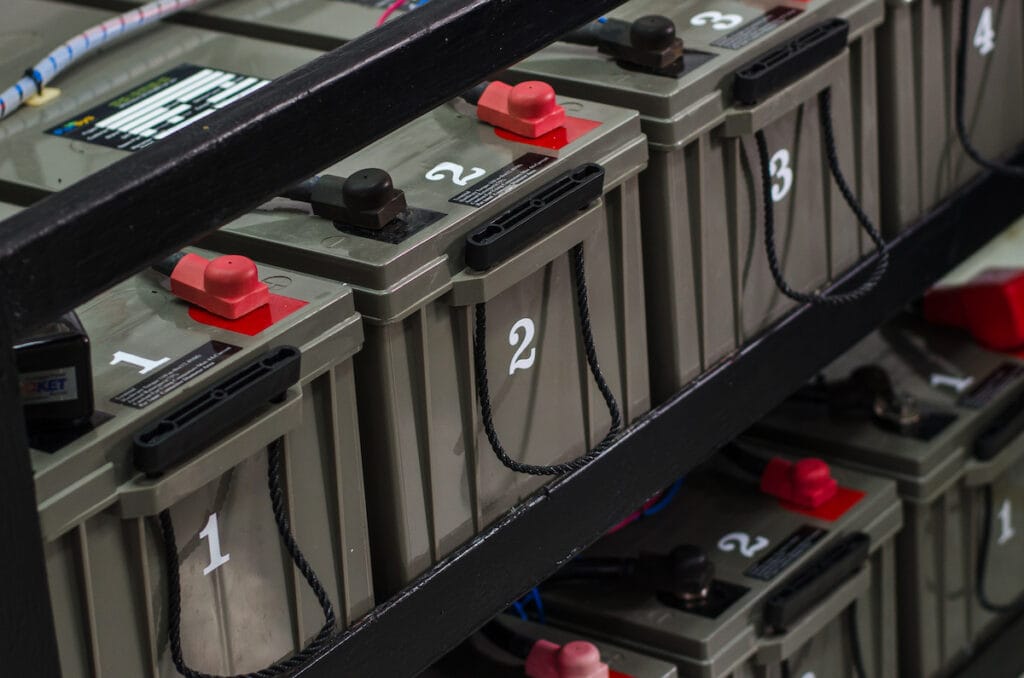
LiFePO4 batteries dramatically outperform lead-acid alternatives.
Typical performance:
- 4,000–8,000+ cycles @ 80% DoD
- 10–15 years service life
- Minimal capacity degradation
For commercial buyers, this means:
👉 Lower replacement frequency
👉 Reduced maintenance costs
👉 Higher project ROI
3. High Efficiency and Stable Output
LiFePO4 batteries maintain consistent voltage throughout discharge.
- Round-trip efficiency: up to 98%
- Fast charging capability
- Stable power delivery
- Suitable for high-load applications
This makes them ideal for solar storage systems where maximizing usable energy is critical.
4. Modular and Scalable Design
Modern LiFePO4 systems are designed for easy expansion.
Common configurations include:
- Rack-mounted batteries for commercial installations
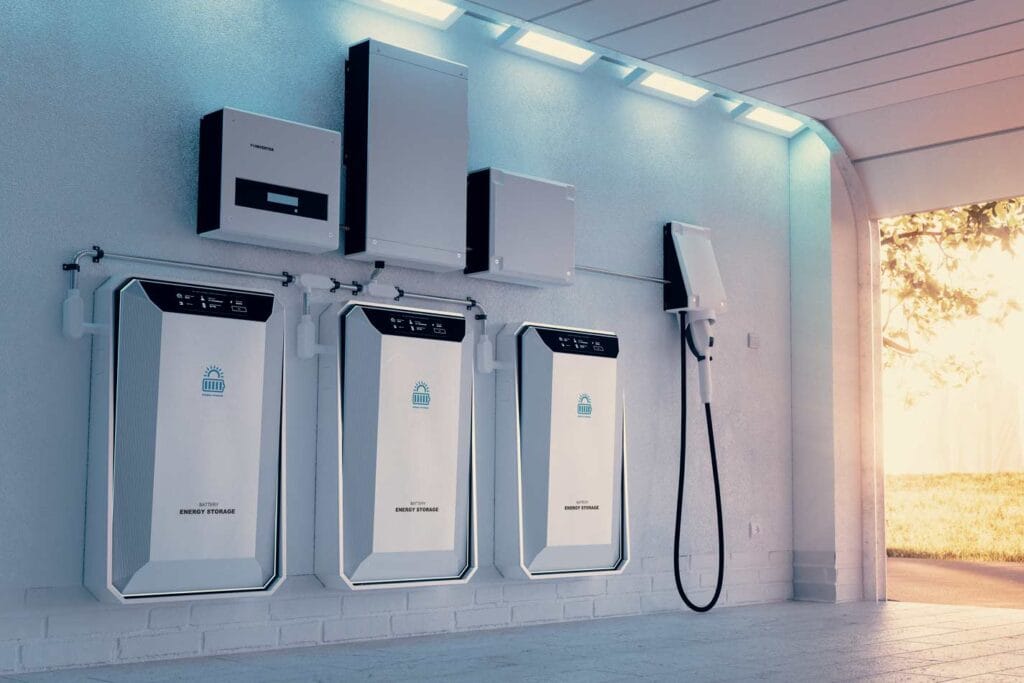
- Wall-mounted batteries for residential systems
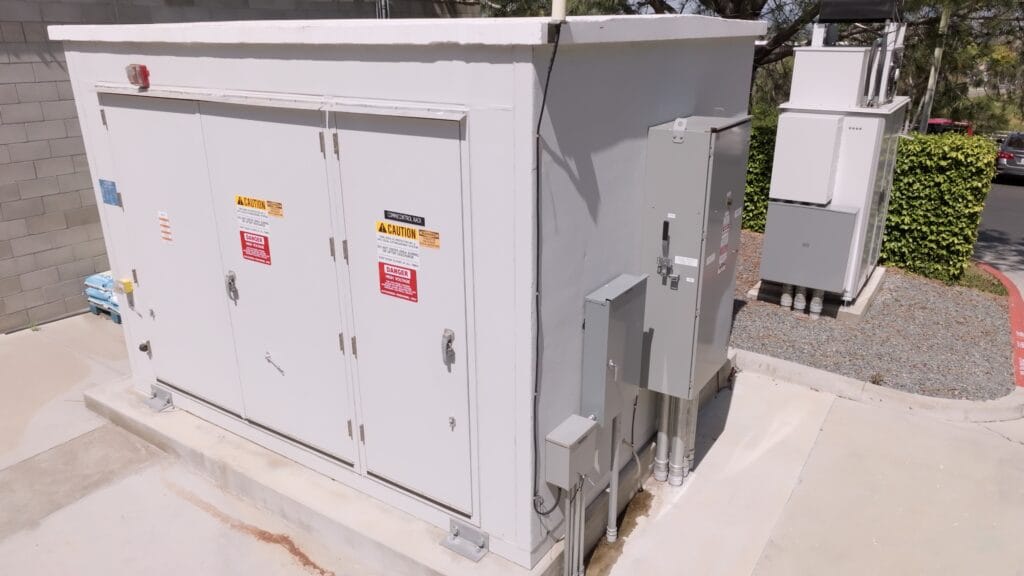
- Containerized systems for utility-scale projects
RG Lith’s energy storage solutions support parallel expansion from small residential systems to multi-MWh microgrids.
Typical Applications of LiFePO4 Batteries
Residential Solar Storage
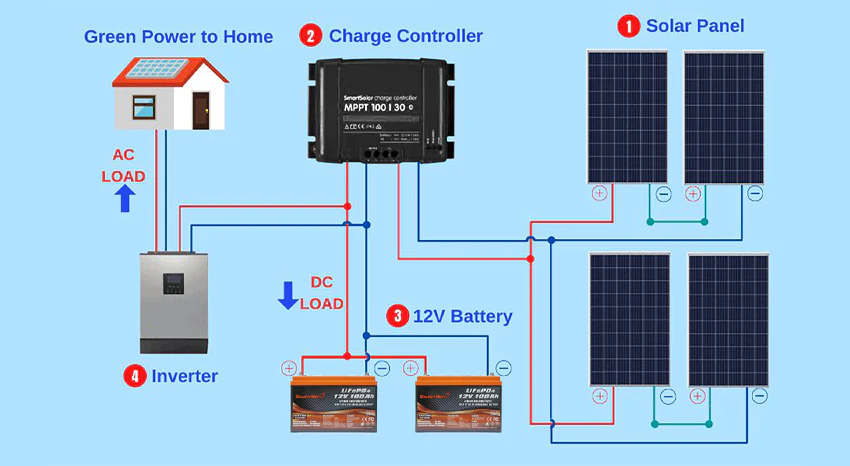
Used to store excess solar energy and provide backup during outages.
Off-Grid Power Systems
Ideal for remote homes, farms, telecom stations, and island power systems.
Commercial & Industrial Energy Storage
Helps businesses reduce peak demand charges and ensure power continuity.
Electric Mobility
Widely used in RVs, marine systems, golf carts, and electric two-wheelers.
Are LiFePO4 Batteries Safe for Indoor Installation?
Yes — LiFePO4 is considered the safest lithium battery chemistry available today.
Unlike other lithium technologies, it:
- Does not release oxygen during failure
- Has high thermal runaway threshold
- Maintains structural stability under stress
Properly engineered battery packs with advanced BMS protection — such as those manufactured by RG Lith — provide multiple layers of safety, including overcharge, over-discharge, short-circuit, and temperature protection.
LiFePO4 vs Lead-Acid: Why the Market Is Switching
| Feature | LiFePO4 | Lead-Acid |
|---|---|---|
| Cycle life | 4,000–8,000 | 300–500 |
| Weight | Very light | Heavy |
| Maintenance | None | Regular |
| Efficiency | 95–98% | 70–85% |
| Usable capacity | Up to 100% | ~50% |
| Lifetime cost | Lower | Higher |
For installers and distributors, LiFePO4 offers significantly better long-term value despite higher upfront pricing.
Why Choose RG Lith LiFePO4 Batteries?
As a specialized manufacturer of advanced lithium battery systems, RG Lith LiFePO4 battery provides solutions designed specifically for global energy storage markets.
Key advantages include:
- UL-listed battery systems
- Automotive-grade LiFePO4 cells
- Intelligent BMS with remote monitoring
- Scalable modular design
- OEM/ODM customization available
- Third-party tested safety and performance
Whether for residential backup systems or large microgrid projects, RG Lith batteries are engineered for reliability, safety, and long-term operation.
Conclusion
LiFePO4 batteries have become the preferred energy storage technology for modern power systems due to their unmatched safety, longevity, and efficiency. For distributors, installers, and project developers, they offer the lowest total cost of ownership and the highest reliability among current battery solutions.
As global demand for clean and resilient energy continues to grow, LiFePO4 technology will remain at the core of next-generation energy storage systems.