
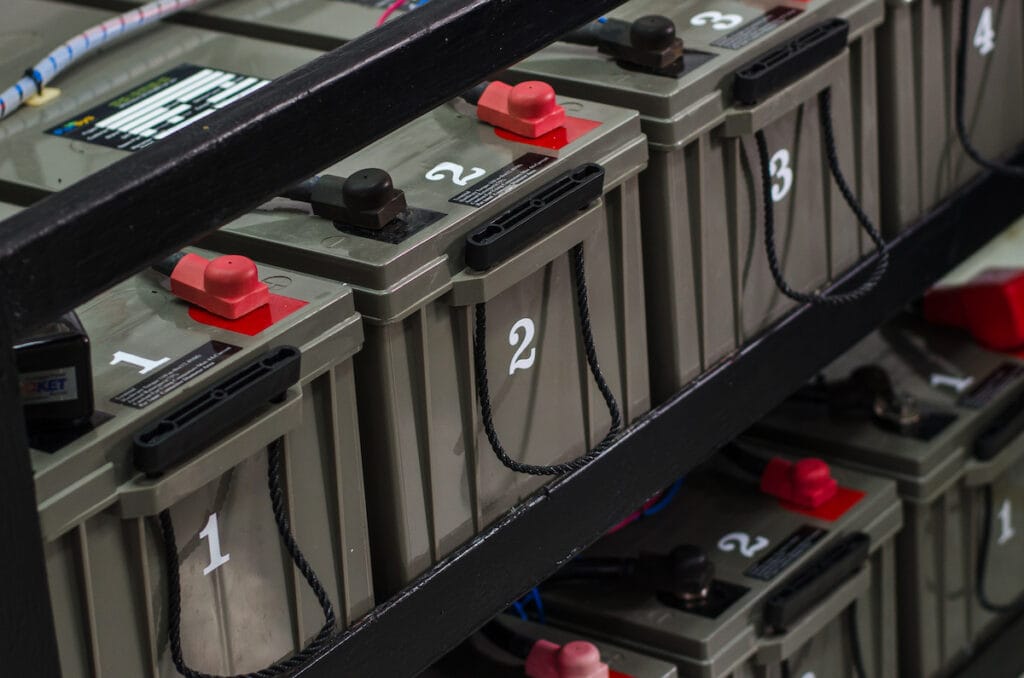
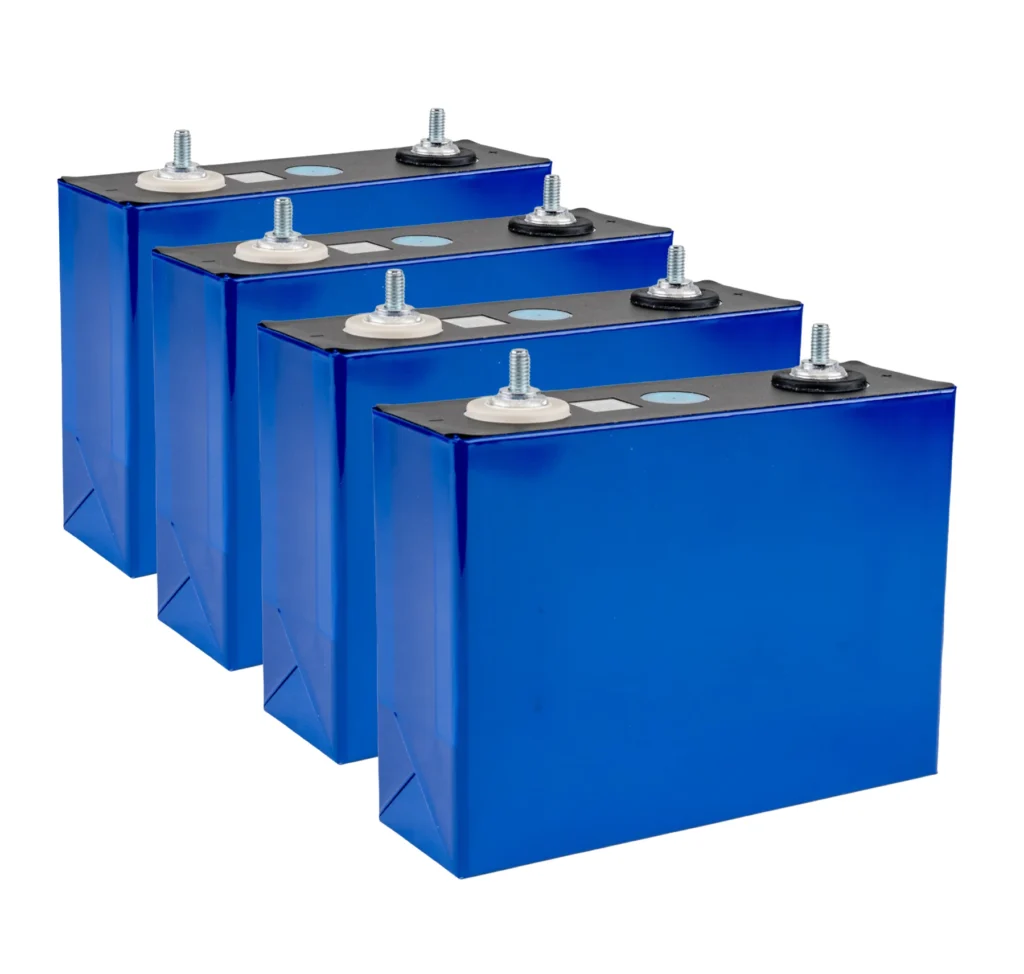
Quick Comparison (Featured Snippet Ready)
LiFePO4 batteries outperform lead-acid batteries in cycle life, efficiency, safety, weight, and long-term cost. While lead-acid batteries have a lower upfront price, LiFePO4 batteries provide significantly better return on investment for solar, commercial, and off-grid energy storage systems.
Why This Comparison Matters for Installers and Distributors
For residential and commercial energy storage projects, battery selection directly impacts:
- System lifespan
- Maintenance frequency
- Safety compliance
- Customer satisfaction
- Total cost of ownership (TCO)
Choosing the wrong battery technology can reduce profitability and increase warranty risks.
1️⃣ Cycle Life: The Most Important Factor
LiFePO4 Battery
4,000–8,000+ cycles @ 80% DoD
10–15 years service life
Stable performance over time
Lead-Acid Battery
- 300–500 cycles
- 2–5 years lifespan
- Rapid capacity degradation
👉 For commercial installers, replacing lead-acid systems multiple times within one project lifecycle significantly increases long-term costs.
Winner: LiFePO4
2️⃣ Total Cost of Ownership (TCO)
Although lead-acid batteries are cheaper initially, they require:
- More frequent replacement
- Regular maintenance
- Lower usable capacity
- Higher energy losses
Over 10 years, LiFePO4 systems typically cost 40–60% less per usable kWh.
For B2B buyers, this means:
✔ Higher project margins
✔ Fewer service calls
✔ Better end-user ROI
3️⃣ Usable Capacity
LiFePO4
Up to 90–100% usable capacity
Deep discharge capability
Lead-Acid
- Recommended 50% depth of discharge
- Over-discharge shortens lifespan dramatically
In practical terms, a 10kWh LiFePO4 battery can deliver almost the full 10kWh — while a 10kWh lead-acid system may only safely provide 5kWh.
Winner: LiFePO4
4️⃣ Efficiency and Energy Loss
| Feature | LiFePO4 | Lead-Acid |
|---|---|---|
| Round-trip efficiency | 95–98% | 70–85% |
| Charging speed | Fast | Slow |
| Voltage stability | High | Drops quickly |
For solar systems, higher efficiency directly increases usable solar energy.
5️⃣ Maintenance Requirements
Lead-Acid Batteries
Require periodic watering
Corrosion monitoring
Ventilation space
Equalization charging
LiFePO4 Batteries
- Maintenance-free
- Sealed design
- No acid leakage risk
- Integrated BMS protection
For commercial projects, reducing maintenance significantly lowers operational costs.
6️⃣ Safety and Installation Environment
Lead-acid batteries:
- Release hydrogen gas
- Require ventilated rooms
- Risk acid spills
LiFePO4 batteries:
- No gas emission
- No acid
- High thermal stability
- Suitable for indoor installation
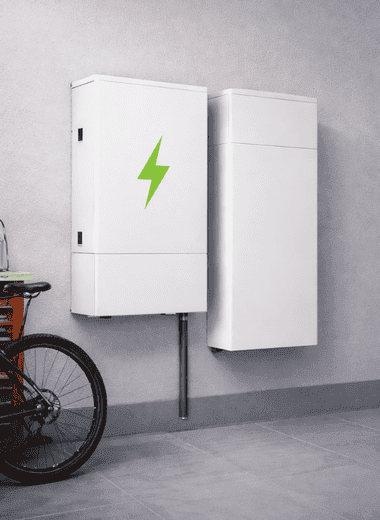
Modern LiFePO4 systems — such as RG Lith rack-mounted and wall-mounted battery solutions — are engineered with multi-layer protection systems to meet international safety standards.
7️⃣ Weight and Space Requirements
LiFePO4 batteries are:
- Up to 70% lighter
- More compact
- Easier to transport and install
For installers, this reduces labor cost and simplifies logistics.
Side-by-Side Summary
| Category | LiFePO4 | Lead-Acid |
|---|---|---|
| Lifespan | 10–15 years | 2–5 years |
| Cycle Life | 4,000–8,000 | 300–500 |
| Efficiency | 95–98% | 70–85% |
| Maintenance | None | Regular |
| Safety | Very high | Moderate |
| TCO | Lower | Higher |
When Does Lead-Acid Still Make Sense?
Lead-acid batteries may still be suitable for:
- Extremely low-budget projects
- Short-term applications
- Backup systems with very infrequent use
However, for long-term residential, commercial, or off-grid systems, LiFePO4 has become the global standard.
Why Distributors and Installers Are Switching to LiFePO4
Across North America, Europe, and Australia, the market is rapidly transitioning toward lithium-based storage solutions.
Professional energy storage suppliers — including RG Lith — now focus on high-cycle, UL-tested LiFePO4 systems designed for:
- Residential solar storage
- Commercial energy optimization
- Microgrid installations
- OEM integration
By offering LiFePO4 systems instead of lead-acid, distributors can:
✔ Increase system reliability
✔ Reduce warranty claims
✔ Improve brand reputation
✔ Offer higher-performance solutions
Conclusion: Which Battery Should You Choose?
For modern energy storage projects, LiFePO4 batteries provide:
- Longer lifespan
- Higher efficiency
- Lower long-term cost
- Better safety
- Minimal maintenance
While lead-acid batteries still serve limited low-cost applications, LiFePO4 has become the preferred technology for serious residential and commercial installations.
For installers, project developers, and distributors seeking long-term reliability and competitive advantage, LiFePO4 is the smarter investment. You can contact RG LITH to help you develop a battery plan。